
South Carolina Passes Transgender Bathroom Ban: Legal Impacts and National Trends
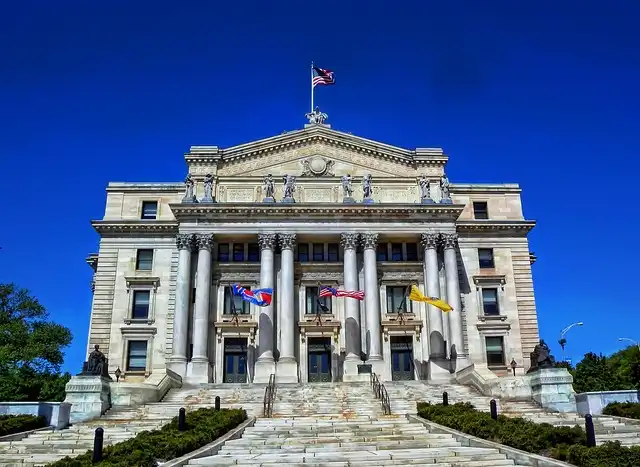
South Carolina and Idaho advance restrictive legislation targeting transgender bathroom access, highlighting a growing national trend of GOP-led states implementing school and public facility policies.
The bill would additionally make permanent a policy currently in place with the state budget plan and consist of enforcement devices that could punish college districts that stop working to abide, such as decreases in state funding.
Senate Approval and New State Regulations
The South Carolina Us senate has actually approved a costs restricting transgender pupils’ accessibility to restrooms and locker spaces, advancing regulations that shows a widening shift in how Republican-led states are managing the day-to-day lives of trans individuals and aligning with an expanding variety of Republican-led states taking on comparable plans.
The city of Louisville will pay hundreds of countless dollars in legal fees to a Kentucky digital photographer that tested the city’s LGBTQ+ nondiscrimination regulation, finishing a years-long case backed by a conventional legal group. Maintain Reading →
In Idaho, legislators recently passed a bathroom limitation bill that surpasses school plan and into criminal law. The measure would allow criminal costs against transgender people that utilize centers that do not align with their sex appointed at birth, with fines escalating for repeat offenses. Critics, consisting of law enforcement groups, have alerted that the policy would certainly be challenging to implement and could need invasive determinations regarding an individual’s body or identity.
The regulation would extend existing state policies to both K-12 colleges and public colleges, needing multi-user toilets, locker areas, and altering facilities to be made use of by people based on their sex appointed at birth. Institutions would certainly be called for to give alternate options, such as single-occupancy bathrooms, for pupils who can not or do not wish to abide. The bill would certainly additionally make irreversible a policy already in place with the state budget and include enforcement systems that might penalize college areas that stop working to conform, such as reductions in state funding.
Rising National Trends in Restrictive Laws
South Carolina’s proposal also gets here as the number of states adopting restroom constraints proceeds to expand. At the very least 21 states now have some form of regulation or plan limiting transgender people’s access to washrooms straightened with their gender identification, according to a recent tally by The Advocate.
Wiggins is a multiple-award-nominated and GLAAD Media Acclaimed reporter whose job includes numerous cover story accounts for The Advocate’s print publication, featuring figures such as Delaware Congresswoman Sarah McBride, previous CDC immunizations chief Dr. Demetre Daskalakis, and Vice President Kamala Harris. In his existing role, he guides content approach while continuing to report on just how federal and state policy, specifically under the 2nd Trump management, shapes the lives of LGBTQ+ individuals, specifically transgender neighborhoods.
“We’re starting the session off with a tone and tenor of picking on transgender people,” state Rep. John King, a Democrat, told the Greenville Information. “My issue is that we remain in search of an issue that isn’t even there.”
According to Greenville News, which reported on the bill’s flow, fans describe the step as a personal privacy guard, while challengers advised it would certainly stigmatize transgender students and reveal them to harassment or compelled outing.
At least 21 states currently have some kind of regulation or policy limiting transgender individuals’s access to restrooms straightened with their sex identification, according to a recent tally by The Supporter. The expense would certainly also make irreversible a policy already in location with the state spending plan and include enforcement mechanisms that can punish institution districts that stop working to conform, such as reductions in state funding.
Criminal Penalties and Identity Disputes in Idaho
The Idaho Us senate is positioned to vote as quickly as Thursday evening on a bill that would criminalize transgender individuals for using washrooms aligned with their gender identity, advancing legislation that has actually already gotten rid of the state House. Keep Checking out →
The South Carolina regulations consists of minimal exemptions, such as for single-occupancy restrooms or emergency situation situations. But advocates claim such carveouts do little to settle what they call an impossible bind: adhere to the legislation and threat battle, or prevent facilities completely.
In Idaho, legislators recently passed a washroom restriction bill that goes beyond school plan and into criminal legislation. The step would certainly allow criminal fees versus transgender individuals who use centers that do not straighten with their sex designated at birth, with fines escalating for repeat offenses. Critics, including law enforcement groups, have actually alerted that the policy would be hard to impose and could call for intrusive determinations about a person’s body or identification.
The South Carolina legislation includes minimal exceptions, such as for single-occupancy washrooms or emergency circumstances. But supporters state such carveouts do little to resolve what they call a difficult bind: abide by the law and threat fight, or stay clear of centers altogether.
Legislative Vote and Funding Consequences
The proposal passed Monday by a 35-2 ballot, with 2 Autonomous state senators electing versus it. The state us senate makes up 34 Republicans and 12 Democrats. The step, which now heads to the GOP-controlled Residence.
The regulations would certainly expand existing state regulations to both K-12 institutions and public universities, needing multi-user restrooms, locker rooms, and transforming centers to be used by people based on their sex designated at birth. Colleges would be needed to offer alternative options, such as single-occupancy toilets, for pupils that can not or do not desire to abide. The expense would certainly additionally make irreversible a plan currently in place via the state budget and include enforcement systems that can penalize institution districts that fail to abide, such as decreases in state funding.
The vote positions South Carolina within a broader national pattern: after years of concentrating on sporting activities participation and gender-affirming treatment, legislators are progressively targeting regular rooms like washrooms, dormitories, and college centers, where gender identification is lived as opposed to disputed.
The vote places South Carolina within a wider nationwide pattern: after years of concentrating on sporting activities engagement and gender-affirming care, lawmakers are significantly targeting routine rooms like washrooms, dorms, and institution centers, where gender identity is lived as opposed to debated.
The South Carolina Senate has actually authorized an expense limiting transgender trainees’ access to shower rooms and locker rooms, advancing regulation that reflects a widening change in how Republican-led states are controling the daily lives of trans people and aligning with a growing number of Republican-led states adopting similar policies.
According to Greenville News, which reported on the bill’s flow, advocates define the step as a privacy protect, while opponents alerted it would stigmatize transgender trainees and subject them to harassment or required outing.
“We’re beginning the session off with a tone and tone of badgering transgender individuals,” state Rep. John King, a Democrat, told the Greenville News. “My concern is that we are in search of a trouble that isn’t also there.”
The proposal passed Monday by a 35-2 vote, with 2 Autonomous state senators electing against it. The state senate makes up 34 Republicans and 12 Democrats. The procedure, which now heads to the GOP-controlled House.
National Policy Intersection and Reporting
Christopher Wiggins is national politics & information editor at The Advocate, where he leads national insurance coverage at the junction of public law, national politics, and LGBTQ+ lives. Based in Washington, D.C., he oversees reporting from the White Home, Congress, the High Court, and government companies, assisting insurance coverage throughout The Supporter, Out, and PRIDE.com.
South Carolina’s proposal additionally arrives as the variety of states adopting restroom constraints remains to expand. At least 21 states currently have some kind of law or policy restricting transgender individuals’s access to washrooms aligned with their sex identity, according to a recent tally by The Advocate. Kansas, for example, enacted a sweeping law this year that overrides a guv’s veto, extends constraints into public rooms, and has stimulated lawful difficulties.
South Carolina’s proposal additionally gets here as the number of states taking on bathroom limitations remains to expand. At the very least 21 states currently have some type of regulation or policy restricting transgender individuals’s accessibility to restrooms aligned with their gender identity, according to a recent tally by The Advocate. Kansas, as an example, established a sweeping regulation this year that bypasses a guv’s veto, extends constraints right into public rooms, and has triggered legal obstacles.
1 bathroom bill2 bathroom policy
3 LGBTQ legislation
4 South Carolina
5 Transgender student rights
« Everywhere Is Queer: Empowering LGBTQ+ Businesses Through Community and ConnectionRuPaul’s Drag Race Season 16 Recap: Jane Don’t’s Shocking Elimination »